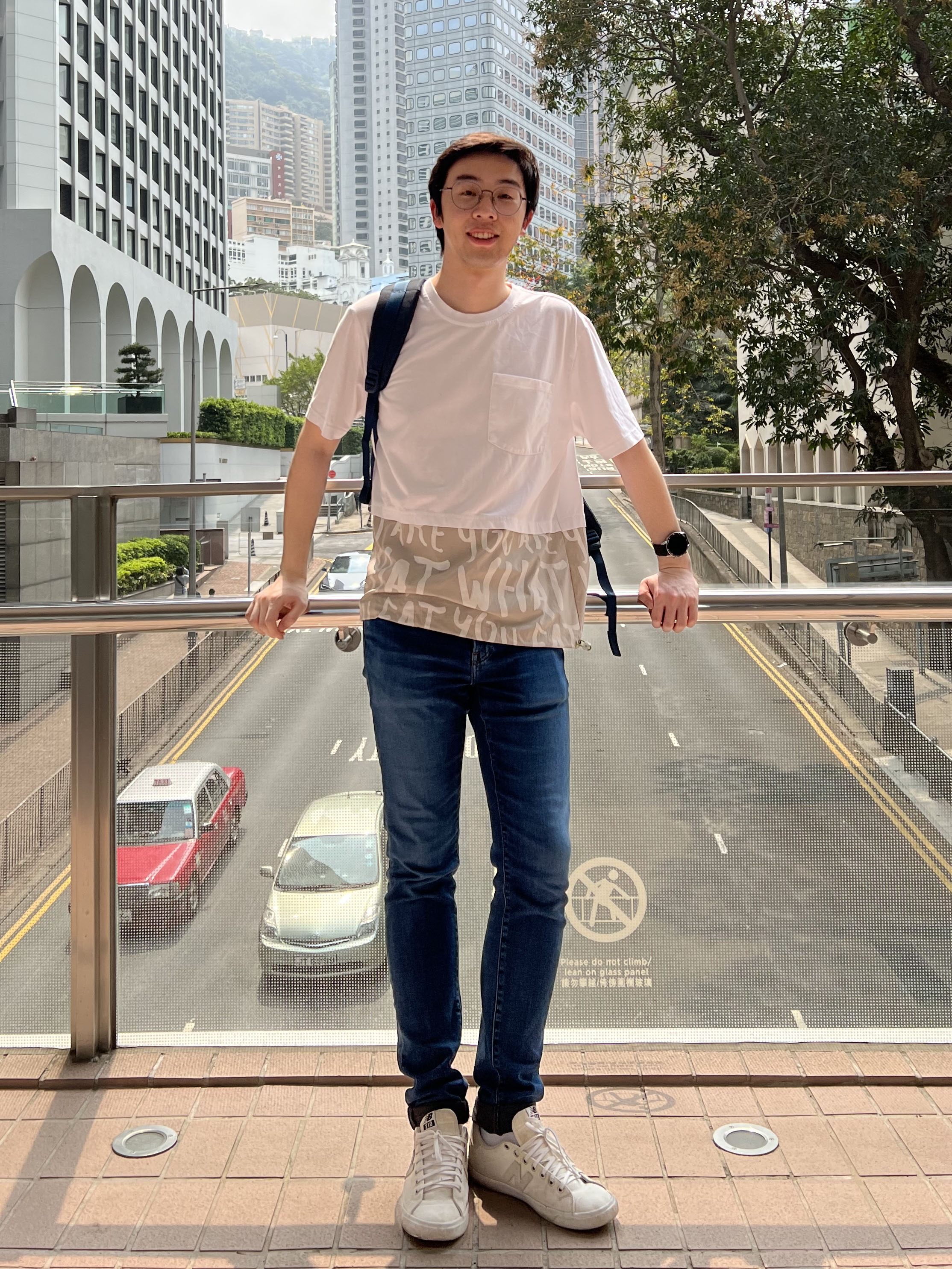
Hi! I am Chaoran Cheng, a fifth-year Ph.D. candidate in computer science at the University of Illinois Urbana-Champaign. I am advised by Prof. Ge Liu. Before beginning my Ph.D., I worked with Prof. Jian Peng at Helixon (now Earendil Labs).
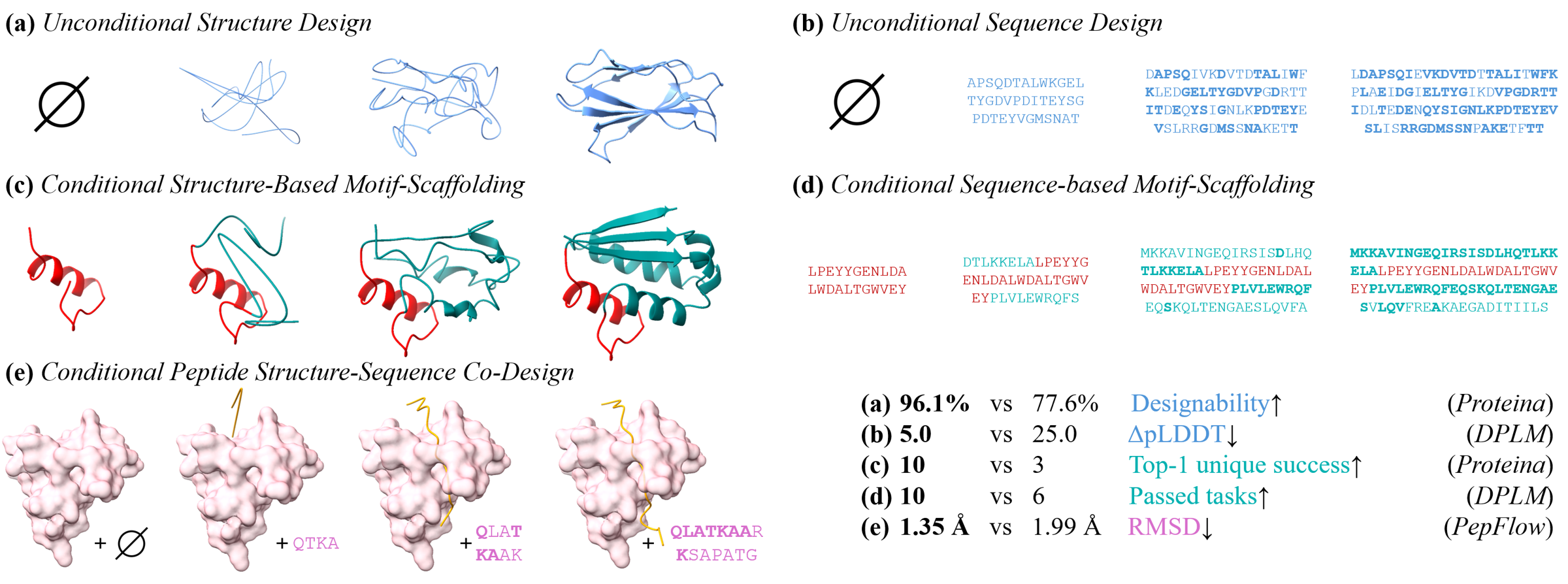
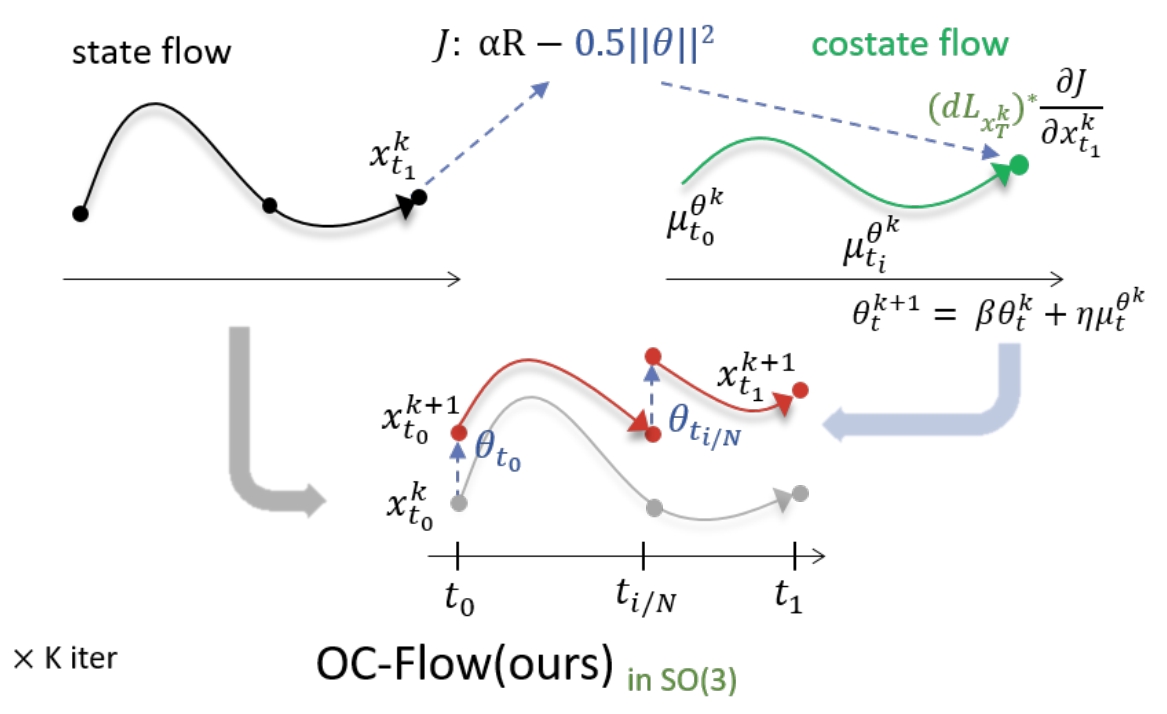
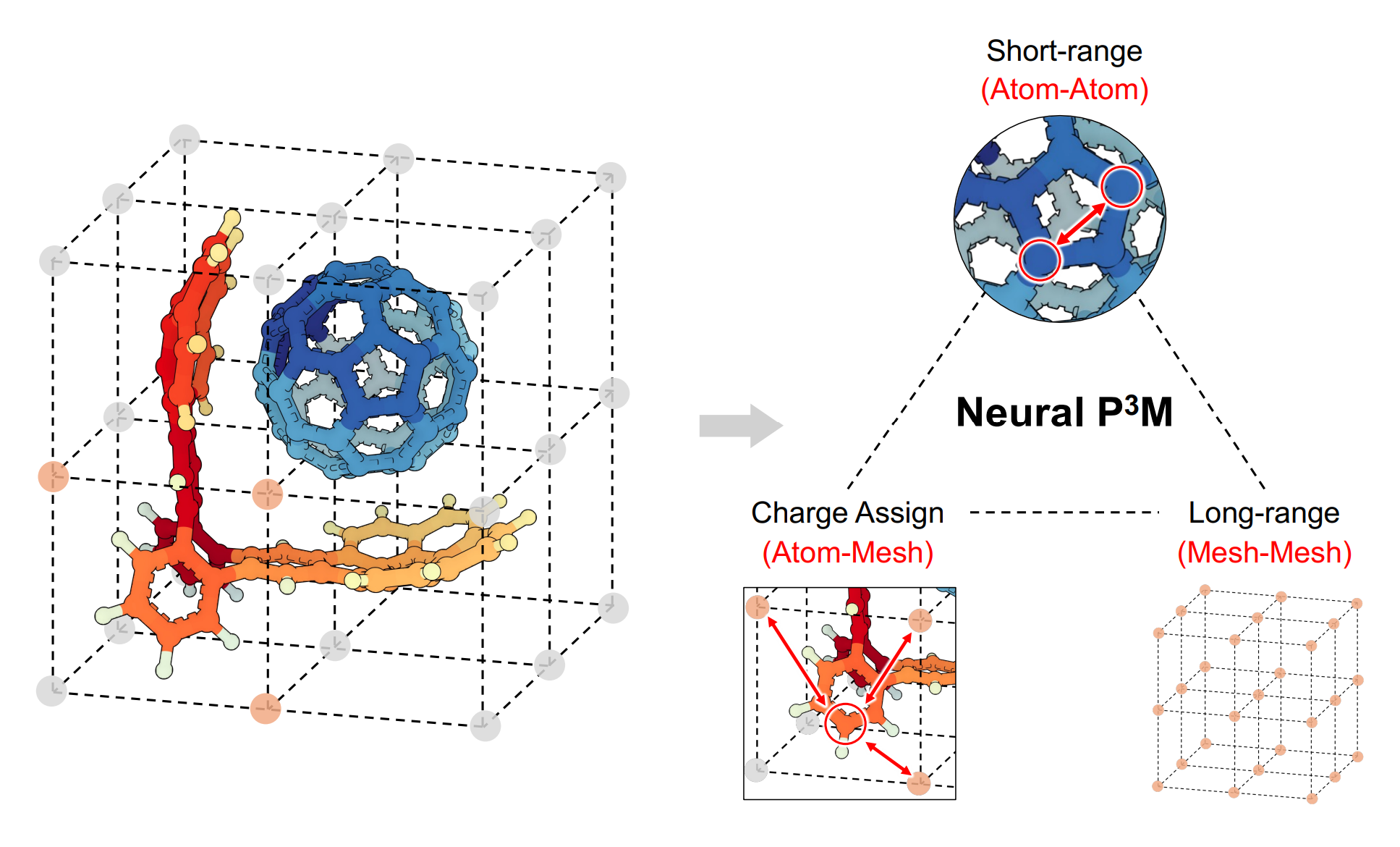
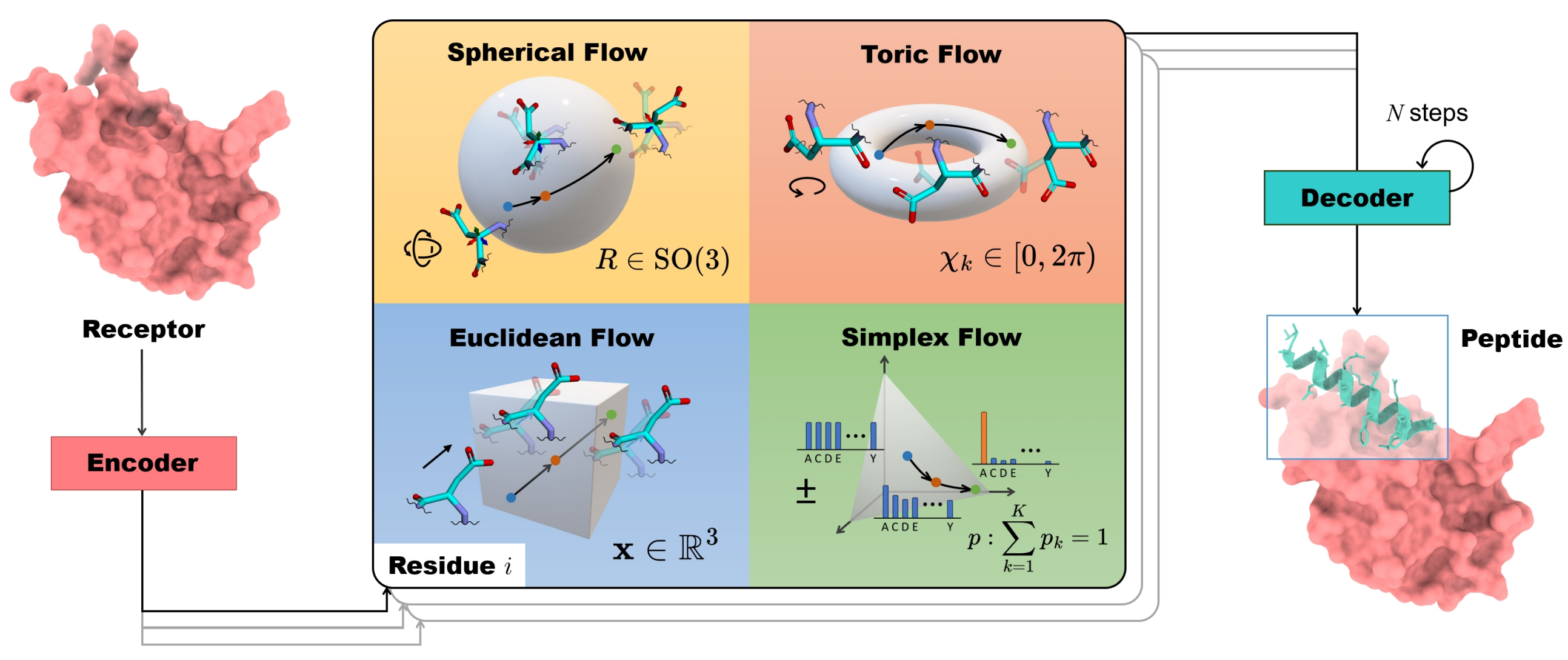
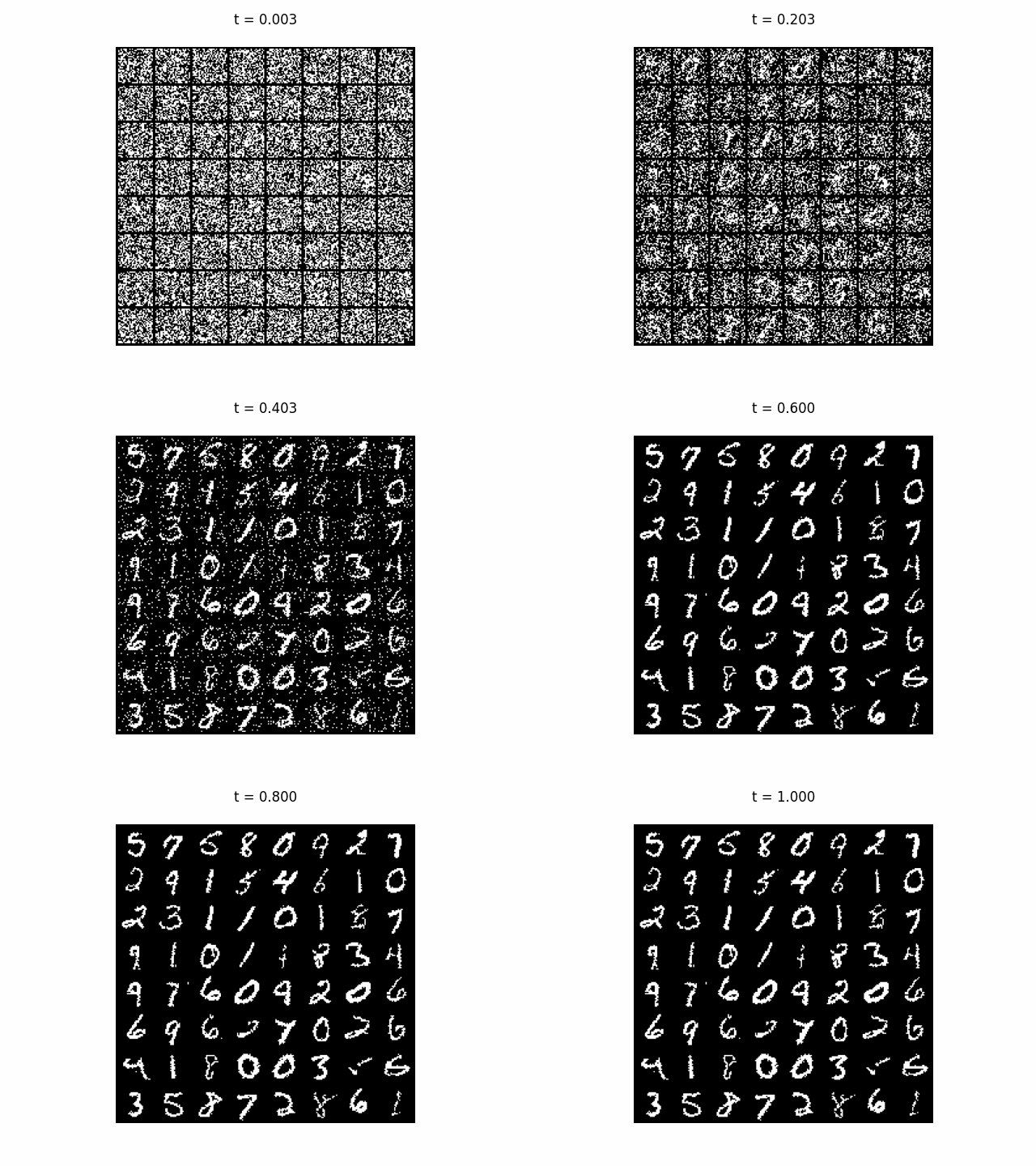
My research develops generative models for AI4Science, with an emphasis on theory-driven methods whose desired behaviors can be mathematically characterized or guaranteed. I work across continuous, discrete, Riemannian, and variable-length settings to build unified generative frameworks for biomolecular design, including protein sequence-structure co-design, motif scaffolding, and post-training protein design models for closed-loop computational and experimental discovery.
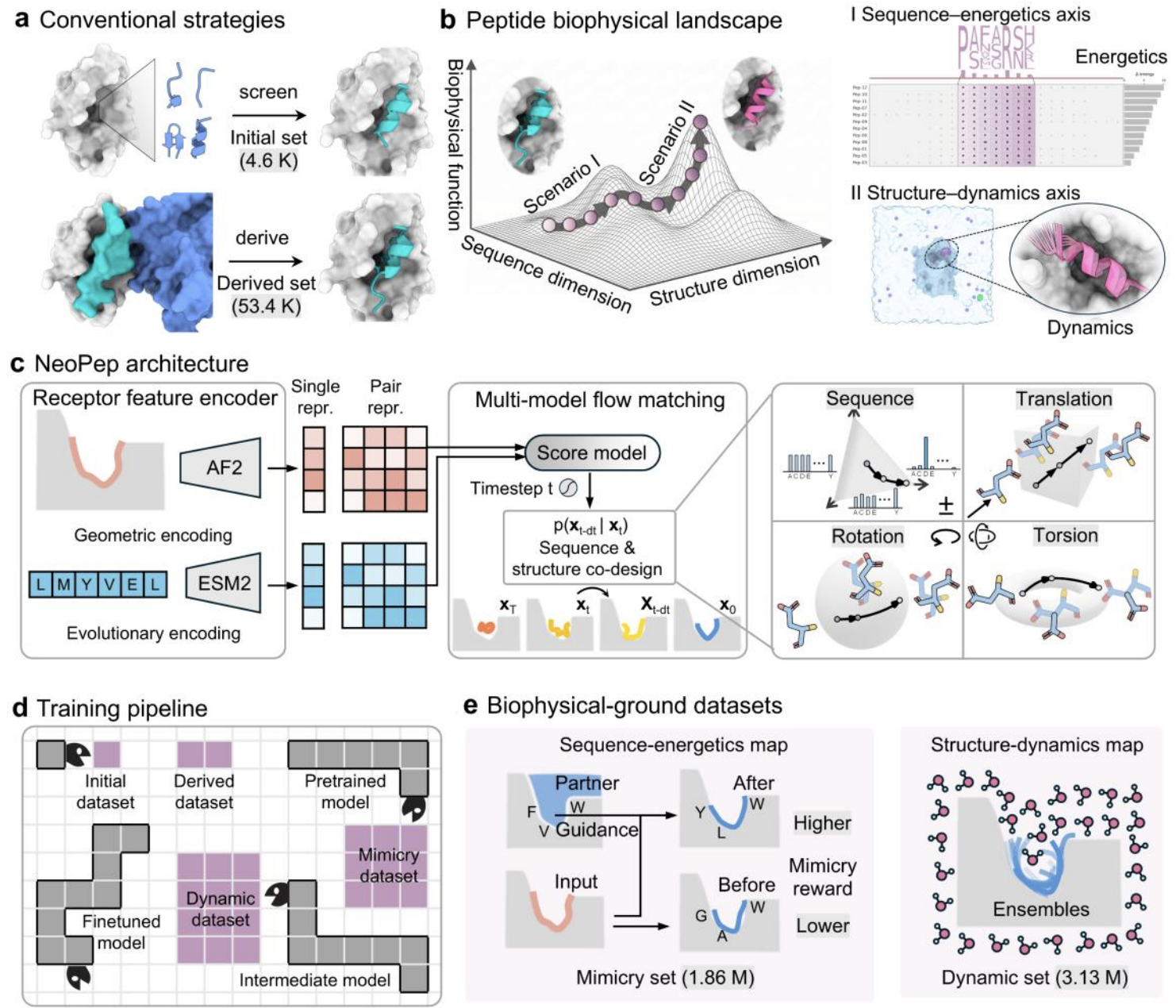
My current work with NVIDIA GenAIR focuses on post-training protein structure co-design models using large-scale phage-display measurements from Proteina-Complexa. Our goal is to develop a comprehensive post-training recipe that helps close the gap between in silico design and wet-lab success, covering diverse tasks of protein binder design, ligand binder design, and cyclic peptide design.
In 2026, I received the Grainger College of Engineering’s Ross J. Martin Award for outstanding research achievement as the award’s sole graduate student recipient across the college. At UIUC, I also contribute to the MMLI initiative on machine learning for molecular design and the CABBI initiative on sustainable bioproducts. I earned my summa cum laude B.S. in computer science from Peking University’s Turing Class, after beginning my undergraduate studies in chemistry.
News
| Oct 6, 2026 | I have finally completed my Riemannian manifold introduction blog that I started almost one year ago but left unfinished due to other research tasks. In this blog, I cover Euclidean space, flat torus, sphere, and 3D rotation group widely used in Riemannian generative modeling. Writing it reminds me of the excitement of indulging in mathematics that I particularly enjoy. 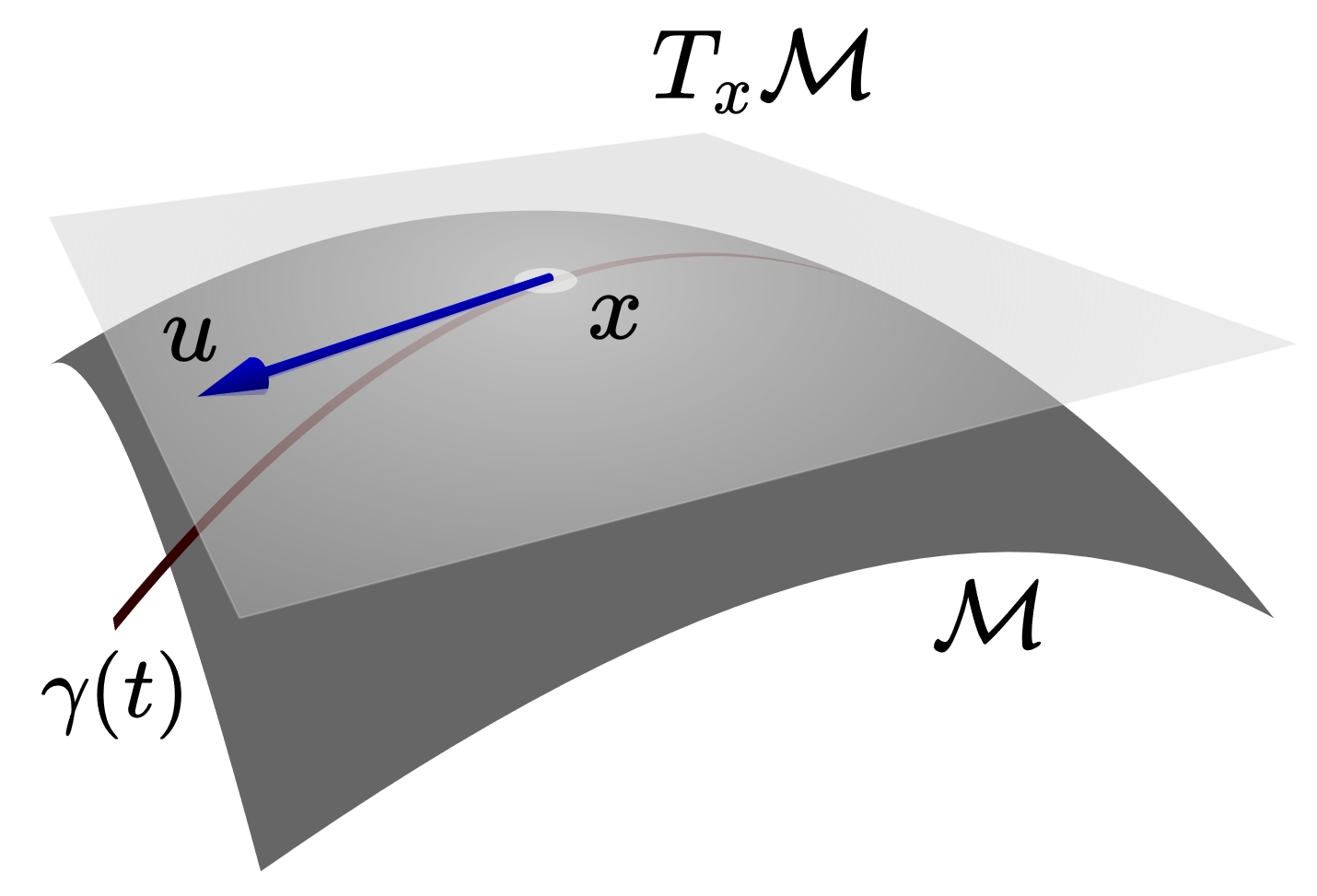 |
|---|---|
| Jul 13, 2026 | Our newly accepted work to NeurIPS 2026, Variable-Length Generative Protein Design via Generalized Poisson Flow, introduces GPFlow, a unified framework that learns protein length jointly with structure and sequence instead of fixing it before sampling.
|
| Apr 29, 2026 | Four years at UIUC have flown by, and I am incredibly honored to mark a major milestone: receiving the Grainger College of Engineering's Ross J. Martin Award for outstanding research achievement. 🏆 As the award's sole graduate student recipient across the college this year, this recognition means the world to me. It affirms my journey through interdisciplinary AI4Science research, from theory-driven generative modeling to practical biomolecular design. My early roots in chemistry and longstanding interest in mathematics have finally come full circle. 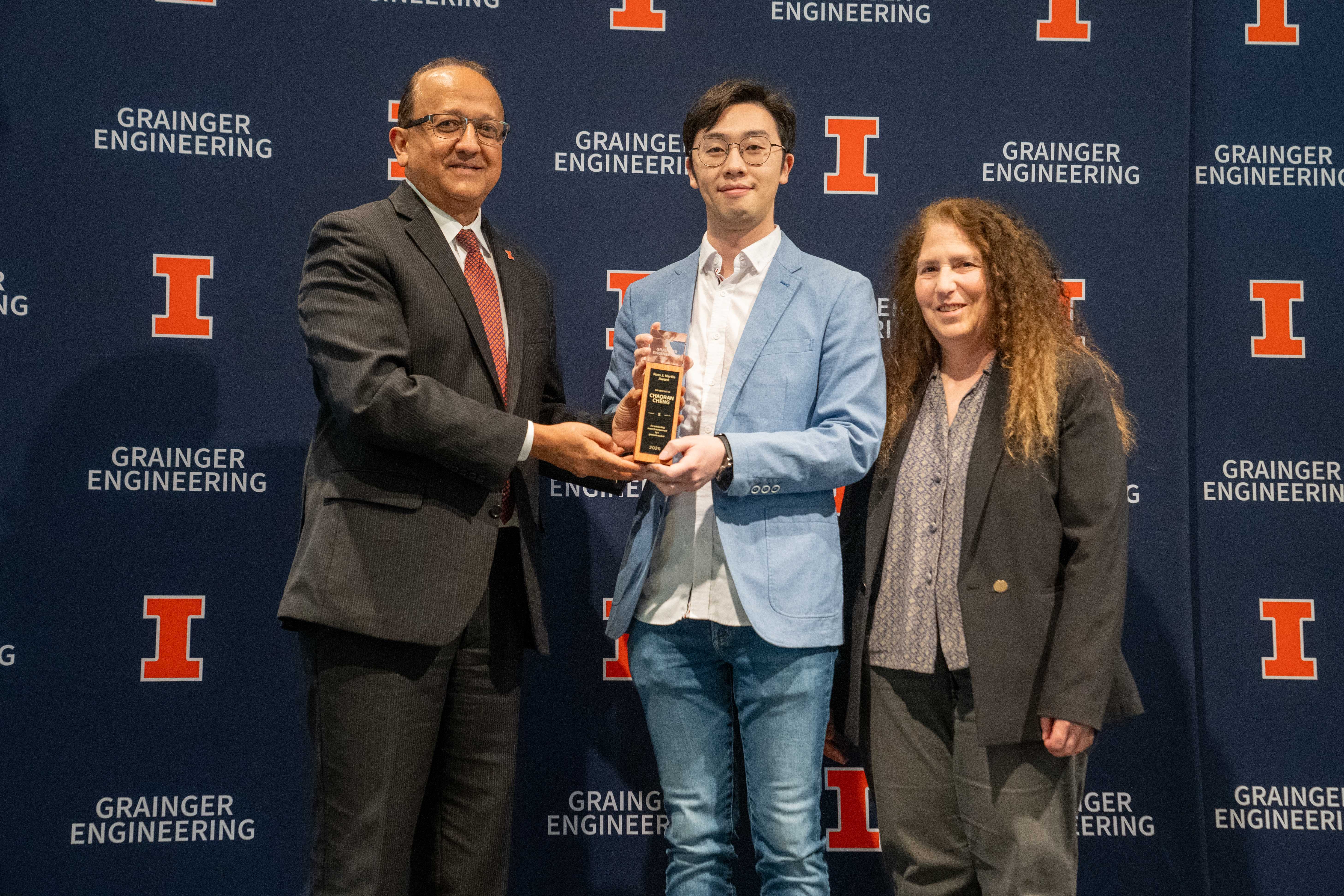 |
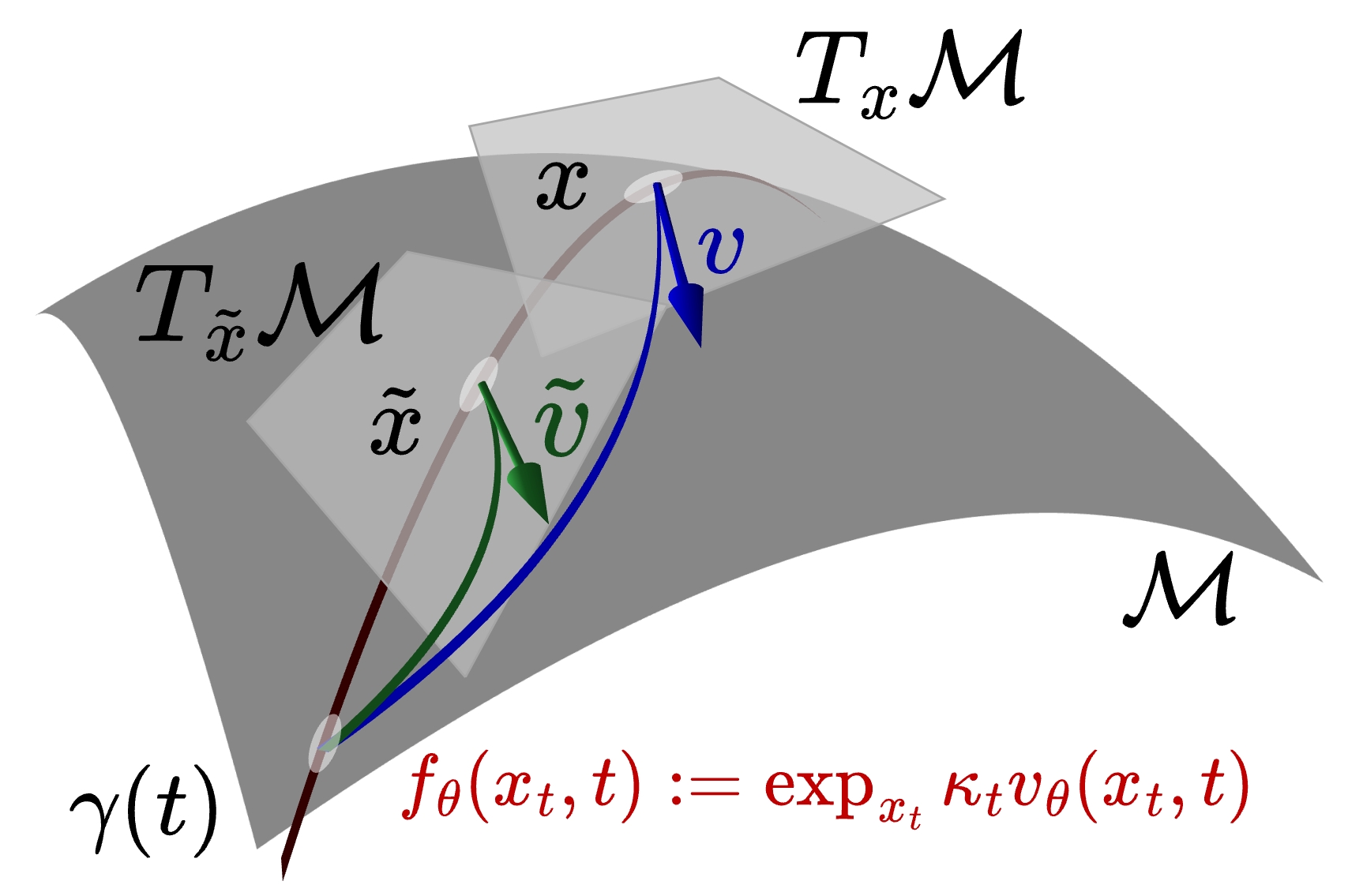
| Oct 2, 2025 | Our latest work of Riemannian Consistency Model (RCM) rigorously extends consistency models to Riemannian manifolds utilizing core mathematical concepts of covariant derivative and its corresponding Christoffel symbols. RCM has been accepted to NeurIPS 2025, and I look forward to discussions in San Diego! Check out the details at arXiv.
|
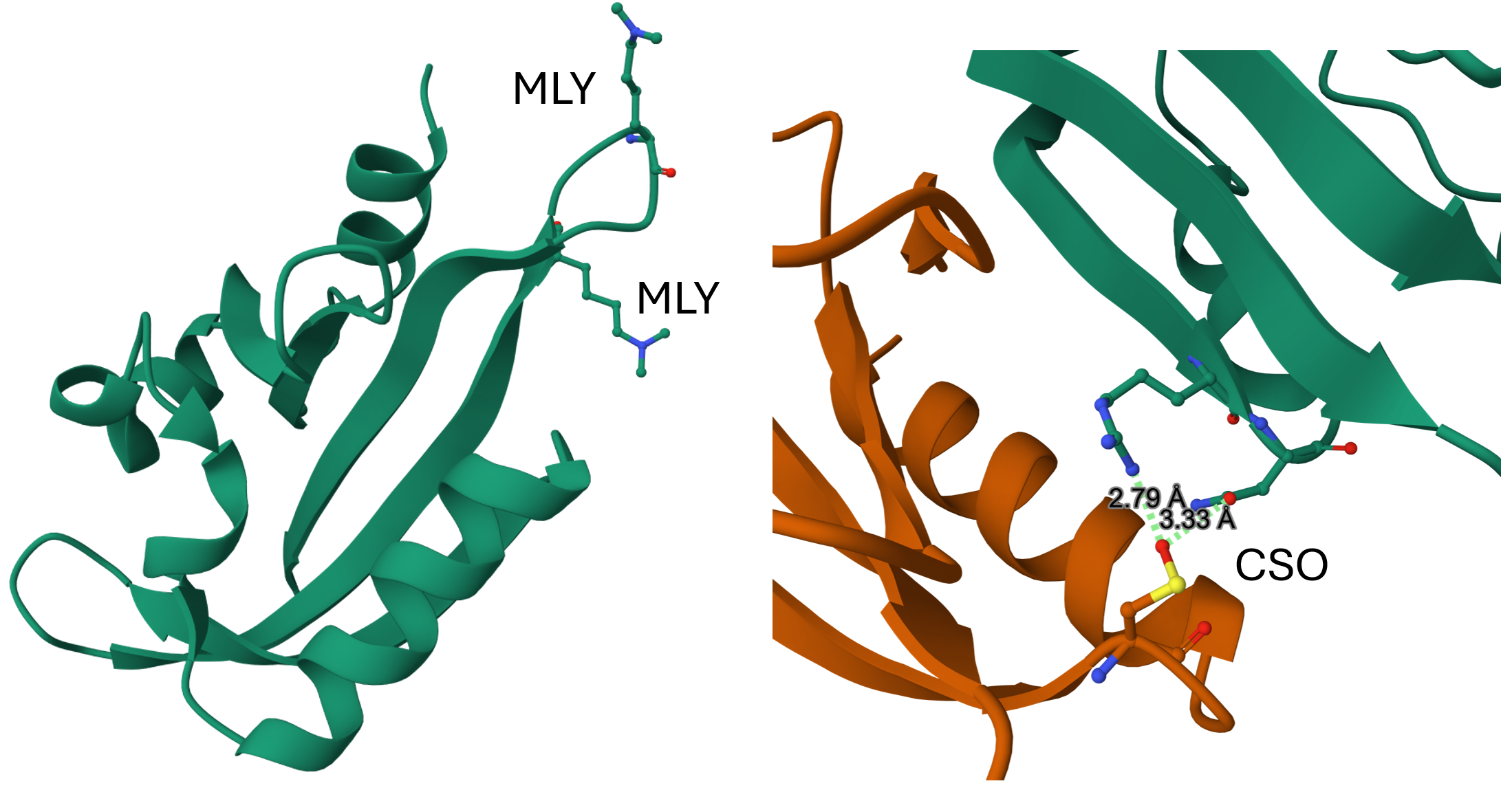
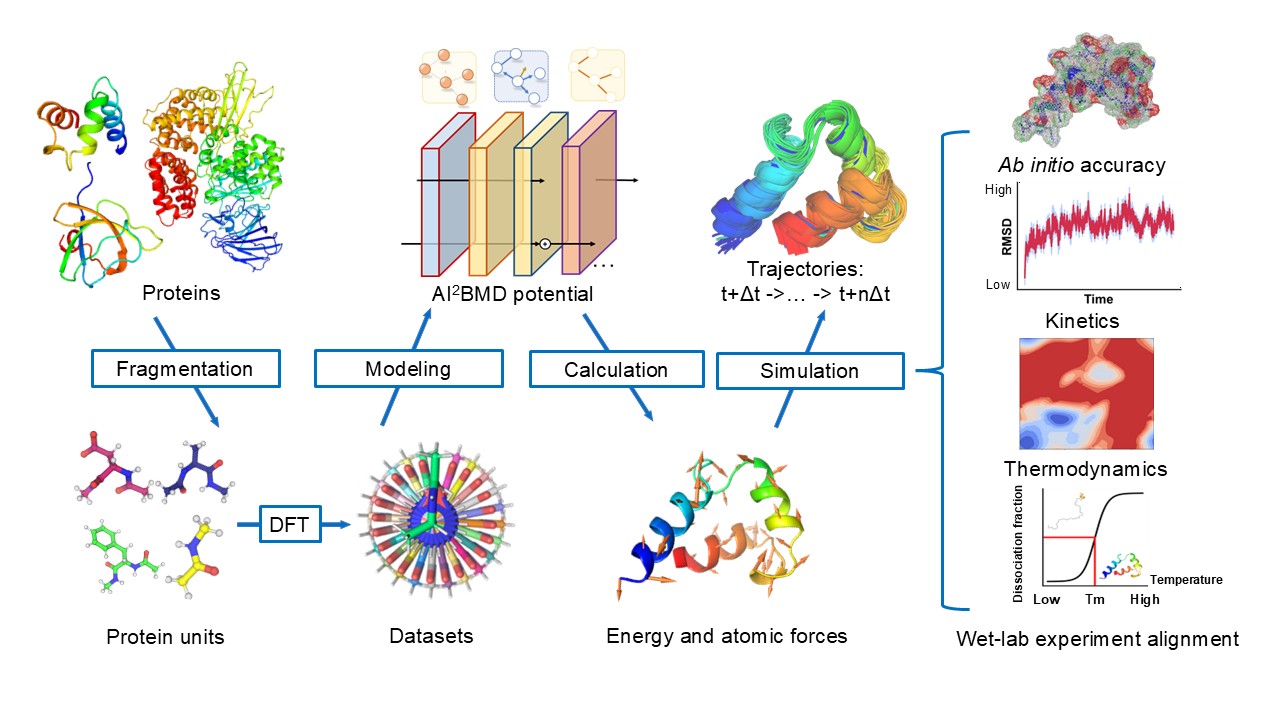
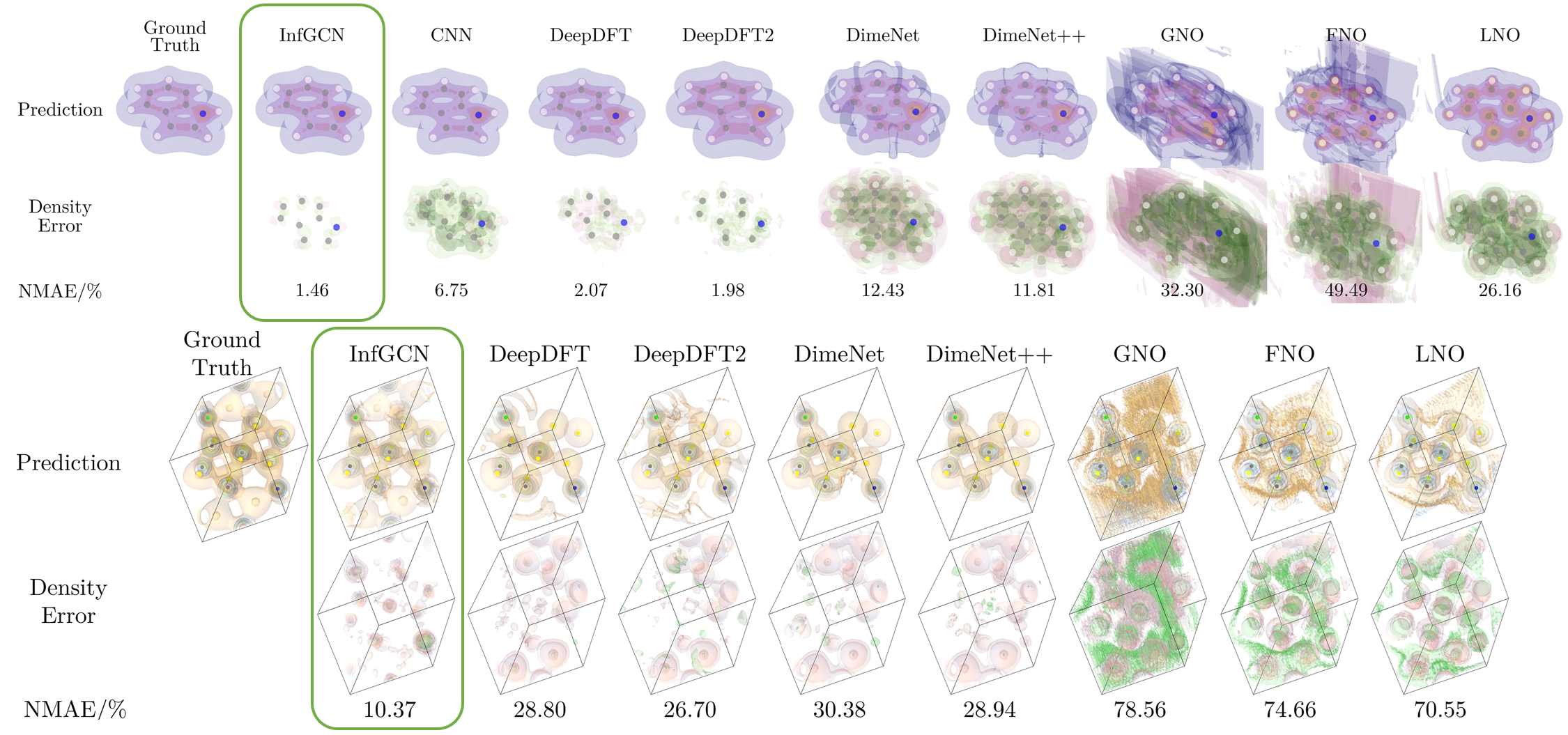
| Nov 6, 2024 | My contributing work on AI²BMD during my internship at MSRA has been accepted to Nature. In this work, we extend AI-assisted molecular dynamics (MD) simulation to large-scale protein systems with ab initio accuracy. Check out MSR's introductory blog on why MD can be fundamental to various AI4Science domains. 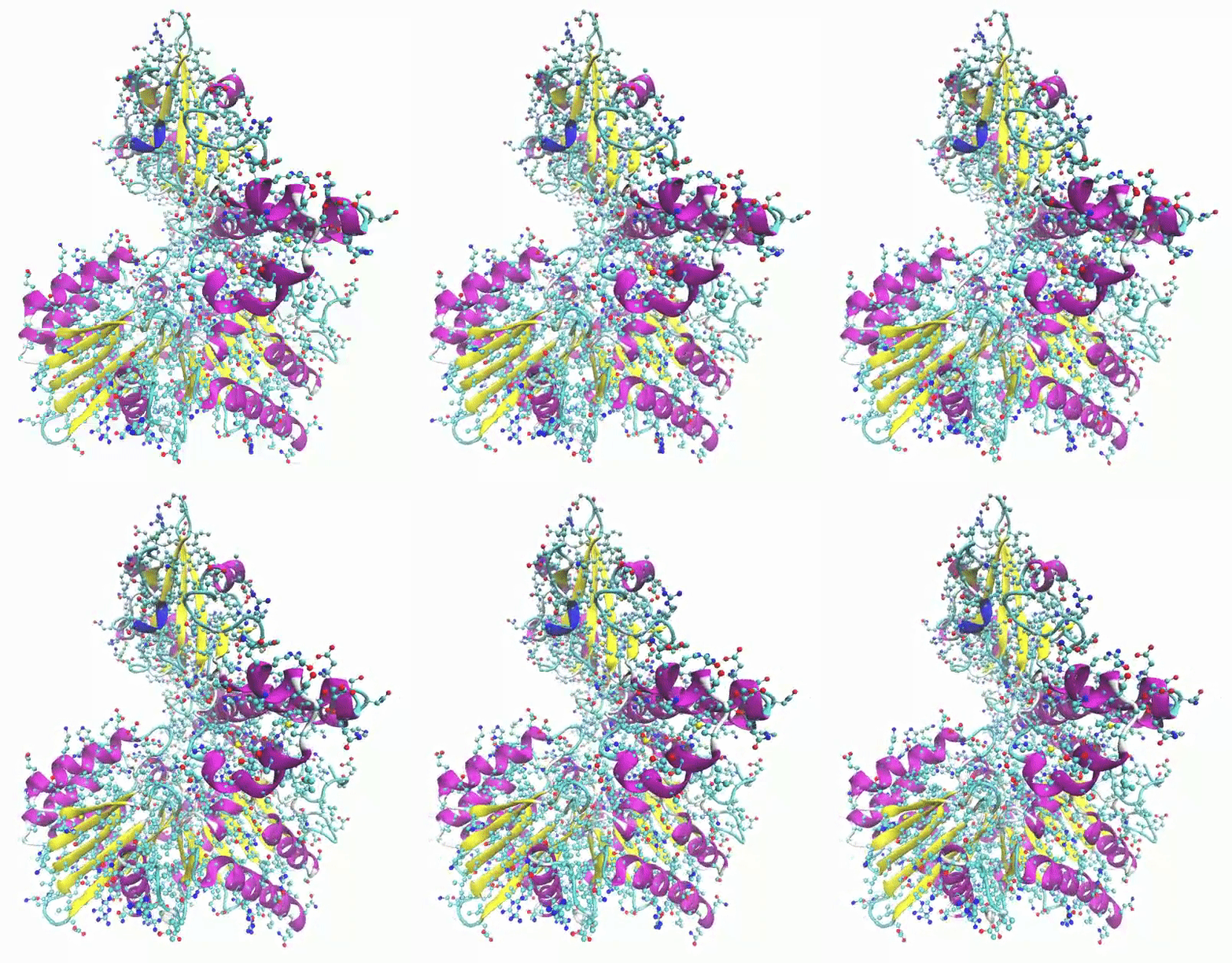 |
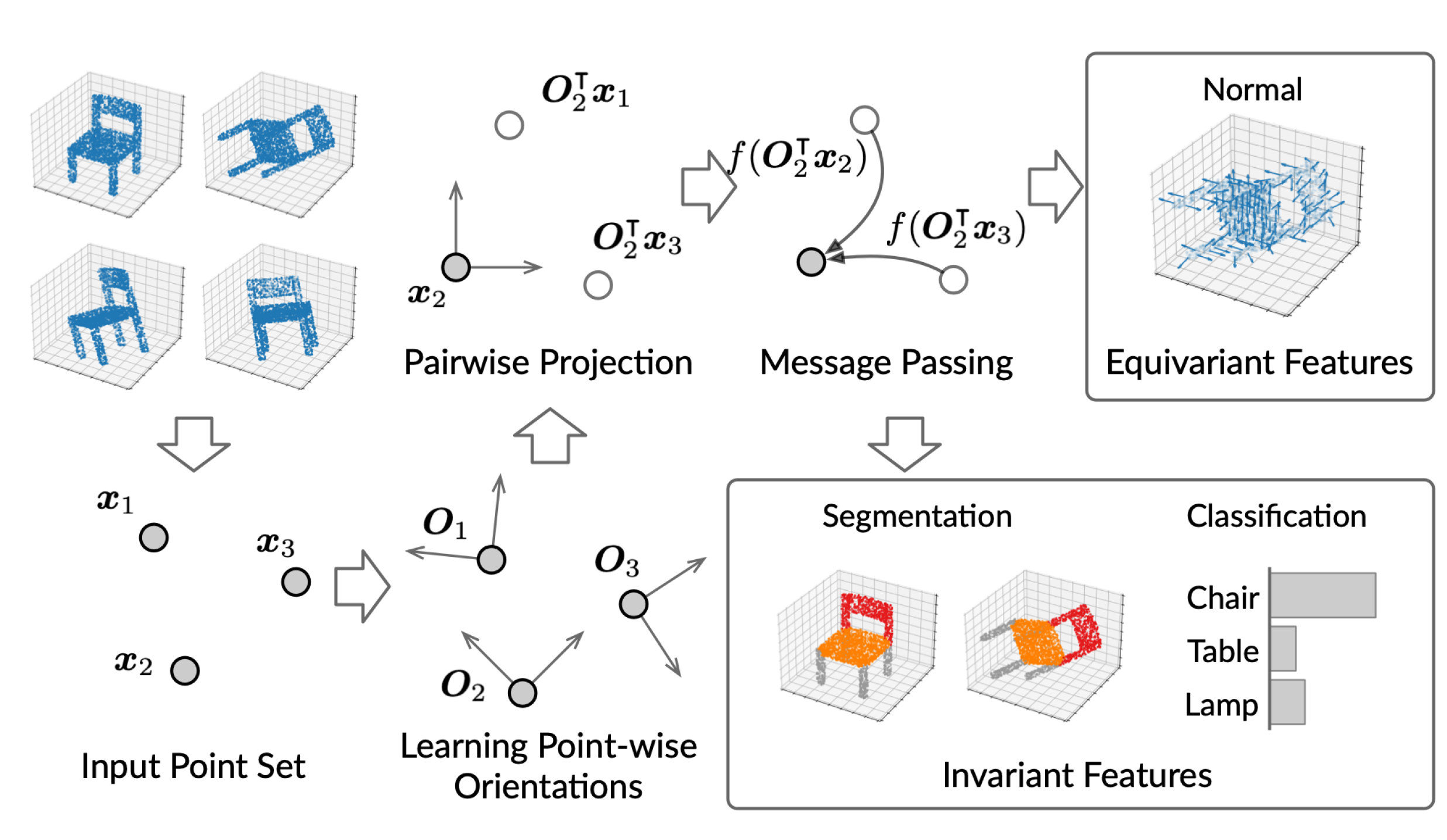
| Dec 7, 2022 | Check out this post on the Tensor Field Network! ⌬ 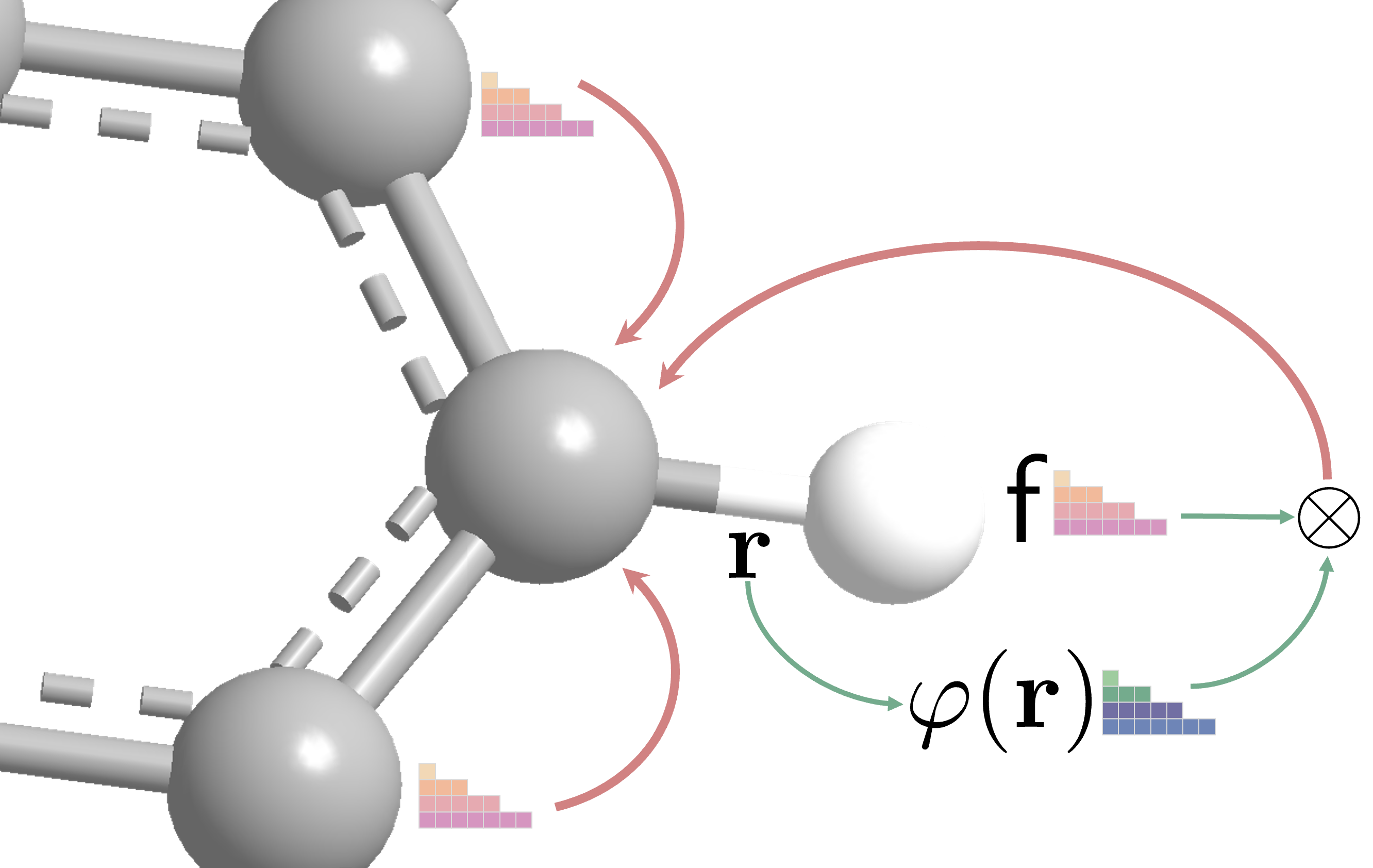 |
| Nov 30, 2022 | Get a glimpse of Cézanne and the revolution of modern art. 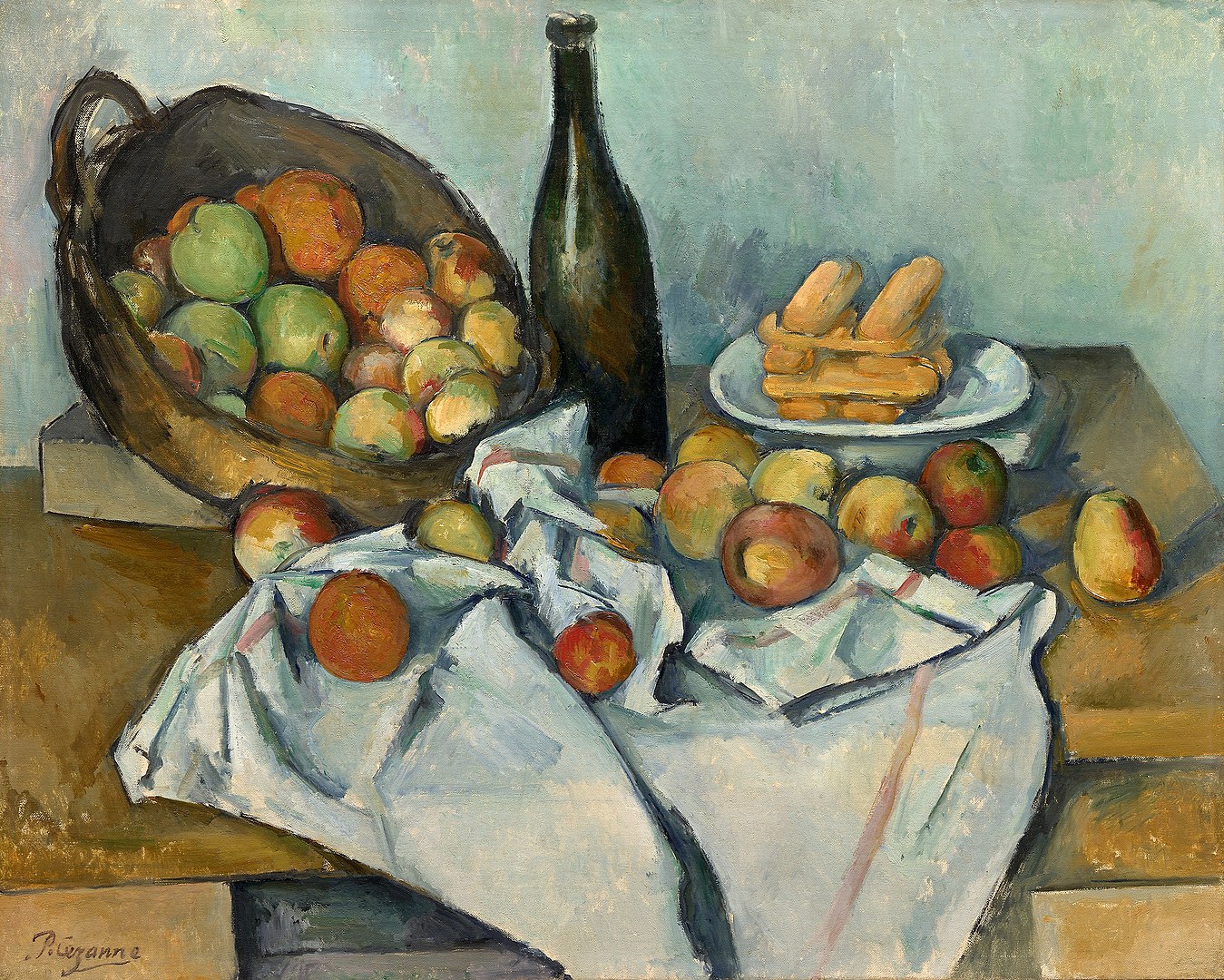 |